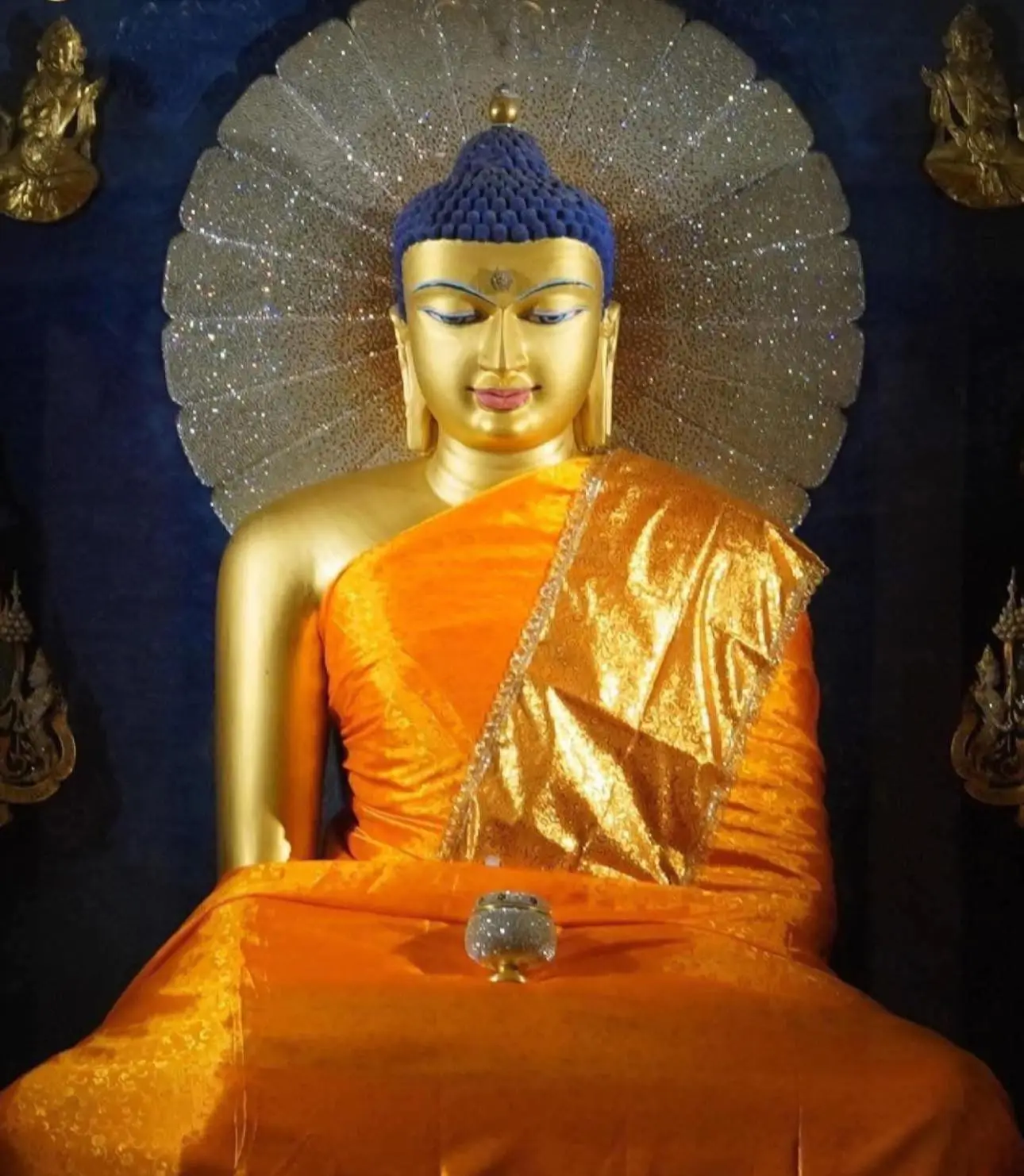
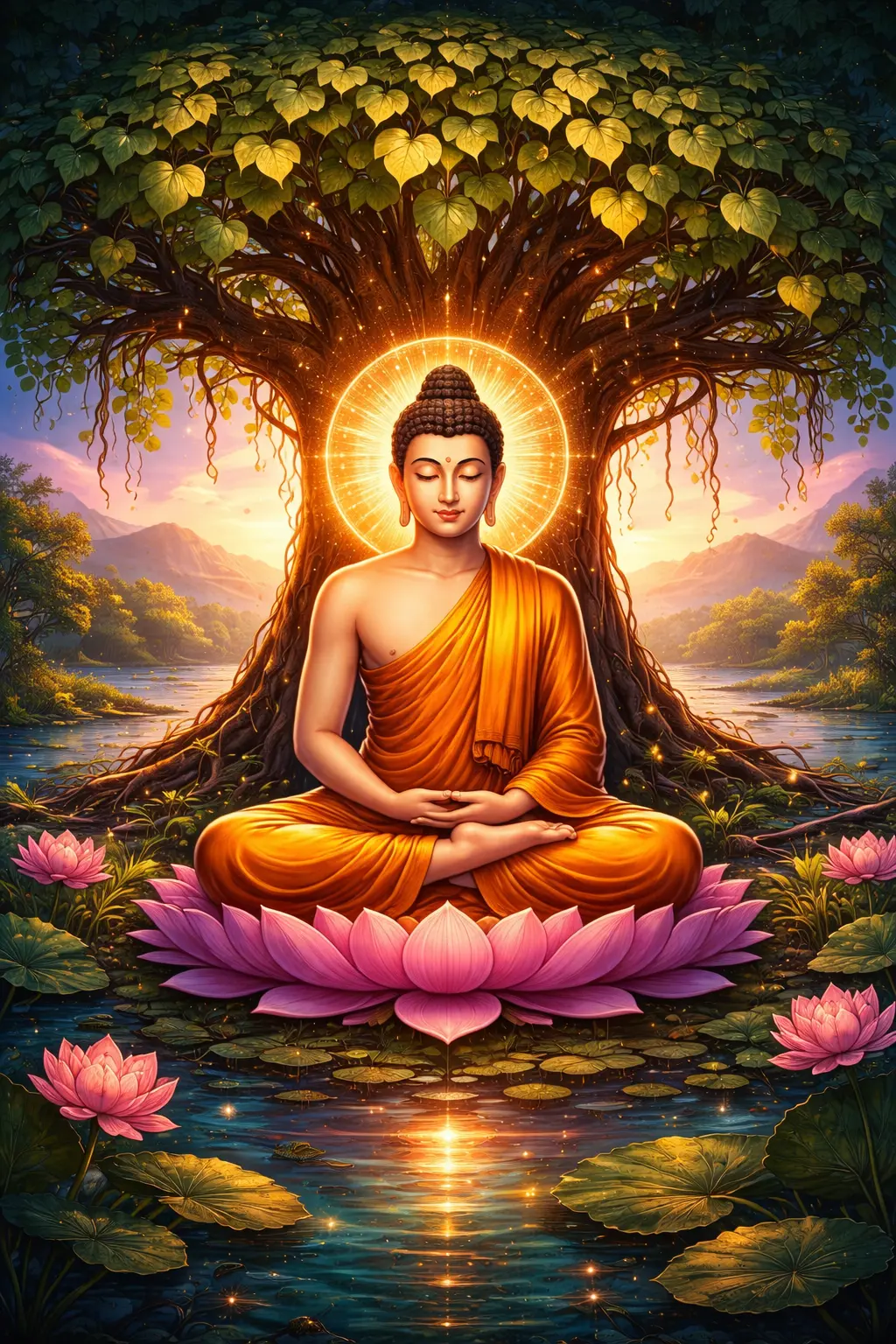
In the sixth century before the Common Era, in the foothills of what is now Nepal, a young prince named Siddhartha Gautama sat beneath the sheltering branches of a pipal tree. He had renounced his palace, his kingdom, and every worldly comfort. He had spent years as an ascetic, nearly starving himself to death in pursuit of truth. Now, on a full moon night in the month of Vaisakha, he made a vow: he would not rise from this spot until he had found the answer to suffering.
"Let my skin and sinews and bones dry up, together with all the flesh and blood of my body! I welcome it! But I will not move from this spot until I have attained the supreme and absolute wisdom."
The Night of Awakening
According to Buddhist scripture, the night was divided into three watches. In the first watch, Siddhartha gained the power to see his own past lives — thousands upon thousands of births, stretching back into immeasurable time. In the second watch, he perceived the workings of karma, the great law of cause and effect that governs all beings. And in the third watch, as the morning star rose on the horizon, he penetrated the deepest truth of existence.
The demon Mara — representing craving, aversion, and ignorance — had come to disturb his meditation. Mara sent his daughters to tempt him, his armies to frighten him, and his words to discourage him. But Siddhartha touched the earth with his right hand, calling the earth itself as witness to his virtue through countless lifetimes. The earth shook, and Mara fled.
The Four Noble Truths Revealed
In the moment of his awakening, the Four Noble Truths arose fully in his mind. He saw with perfect clarity: that all conditioned existence contains suffering (dukkha); that suffering arises from craving (tanha); that suffering can cease when craving ceases; and that there is a path — the Noble Eightfold Path — that leads to this cessation.
He was no longer Siddhartha the prince, nor Siddhartha the ascetic. He was the Buddha — the Awakened One. He sat beneath what would come to be called the Bodhi Tree for forty-nine days, abiding in the bliss of liberation, before deciding to share what he had discovered with the world.
The First Teaching
His first sermon — the Dhammacakkappavattana Sutta, or "Setting the Wheel of Dhamma in Motion" — was delivered to five former companions in a deer park near Varanasi. This moment is known as the First Turning of the Wheel of Dharma, and it marks the birth of the Buddhist tradition.
Over the next forty-five years, the Buddha traveled throughout the Gangetic plain, teaching all who sought the path — kings and peasants, scholars and outcasts, monks and laypeople. His message was universal: suffering can be understood, its cause can be known, liberation is possible, and the path is open to all.